
Call us now :08045477039
 Send Inquiry
 Send Inquiry
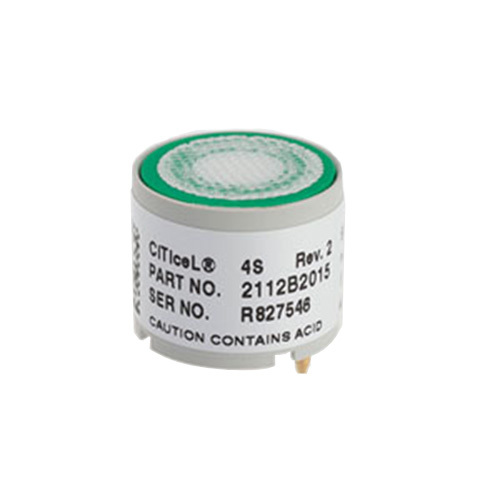
Phosphine Gas Sensor
MOQ : 1 Piece
Phosphine Gas Sensor Specification
- Material
- Plastic
- Output
- 4-20 mA
- Accuracy
- +/- 2 %
- Voltage
- 220 Volt (v)
- Warranty
- Yes
Phosphine Gas Sensor Trade Information
- Minimum Order Quantity
- 1 Piece
- Payment Terms
- Cash in Advance (CID), Cash Advance (CA)
- Supply Ability
- 100 Pieces Per Week
- Delivery Time
- 1 Days
- Main Domestic Market
- All India
About Phosphine Gas Sensor
CITY Technology Electrochemical Phosphine (PH3) Gas Sensor 4 Series 4PHFAST, Output 1.70.3A/ppm, Measurement Range 0-5 ppm, Maximum Overload 20 ppm
Application:
- Industrial Safety
Reliable Gas Detection
Our Phosphine Gas Sensor stands out for its dependable operation and robust design. With a high-precision accuracy of +/- 2% and a durable plastic body, it provides consistent monitoring for various industrial applications. The device's 4-20 mA output easily integrates with standard control systems, making it suitable for a wide range of safety protocols.
Flexible Industrial Applications
Designed for versatility, this sensor can be deployed across factories, warehouses, agricultural storage, and chemical processing facilities. Its compatibility with a 220-volt power supply ensures smooth integration into existing setups. As both a safety and efficiency enhancement, the sensor adds value across multiple industry sectors in India.
FAQ's of Phosphine Gas Sensor:
Q: How does the Phosphine Gas Sensor ensure accurate detection?
A: The sensor utilizes advanced detection technology and is calibrated to deliver measurements with an accuracy of +/- 2%. Its reliable design and robust plastic housing help maintain precision even in demanding industrial conditions.Q: What industries commonly use this Phosphine Gas Sensor in India?
A: This sensor is widely employed in chemical processing, agriculture (such as grain storage), manufacturing plants, and warehouses throughout India where phosphine gas presence must be monitored for safety and compliance.Q: When should calibration or maintenance be performed on the sensor?
A: Calibration should be conducted regularly, as recommended by the manufacturer or based on the application's requirements. Periodic maintenance ensures accurate readings and prolongs the device's operational life, supported by the included warranty.Q: Where can I purchase the Phosphine Gas Sensor in India?
A: You can acquire this sensor from authorized distributors, exporters, manufacturers, suppliers, and traders all across India. These channels provide genuine products with warranty support and technical assistance.Q: What is the installation process for the sensor?
A: Installation involves connecting the sensor's 4-20 mA output to a compatible monitoring system and ensuring a stable 220-volt power supply. All installations should follow the manufacturer's safety guidelines and instructions for optimal performance.Q: How is the sensor used in monitoring applications?
A: The device continuously samples the surrounding air for phosphine gas levels, transmitting real-time data to control systems through its 4-20 mA output. This helps facilities promptly detect and respond to hazardous gas concentrations.Q: What benefits does the Phosphine Gas Sensor offer to users?
A: By providing accurate, real-time gas detection with warranty support, users benefit from improved workplace safety, regulatory compliance, and reduced operational risks in environments where phosphine exposure is a concern.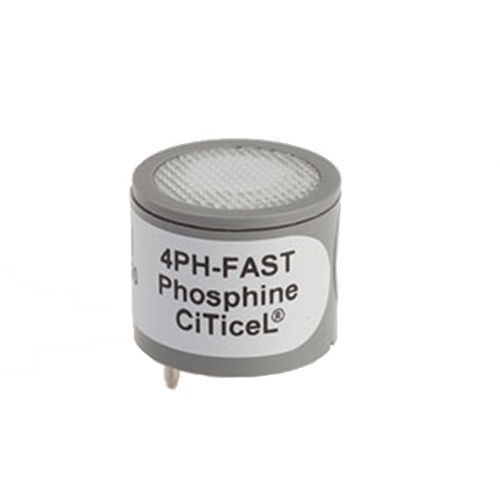
Tell us about your requirement

Price:
Quantity
Select Unit
- 50
- 100
- 200
- 250
- 500
- 1000+
Additional detail
Mobile number
Email

More Products in City Technology Gas Sensors Category
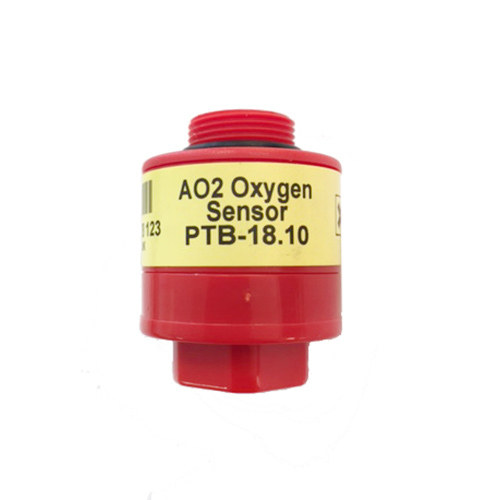
AO2 Oxygen Sensor
Price 5000 INR
Minimum Order Quantity : 1 Piece
Material : Plastic
Warranty : Yes
Output : 913 mV
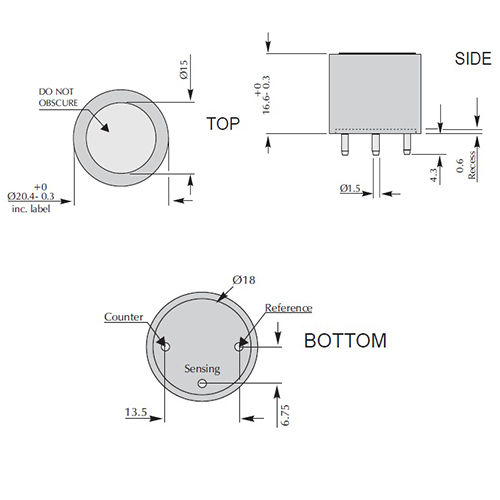
Chlorine Gas Sensor
Price Range 5000.00 - 15000.00 INR
Minimum Order Quantity : 1 Piece
Material : Plastic
Warranty : Yes
Output : 420 mA
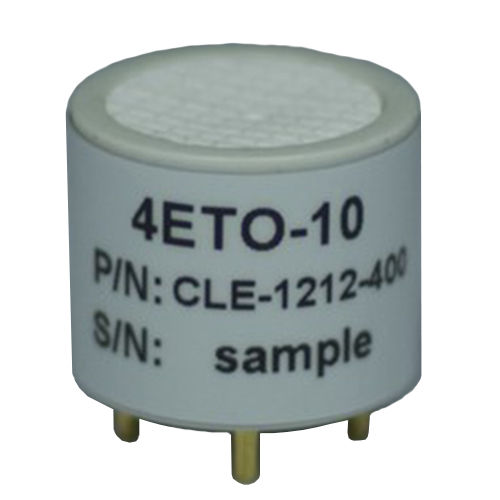
Ethylene Oxide Gas Sensors
Price Range 5000.00 - 15000.00 INR
Minimum Order Quantity : 1 Piece
Material : Plastic
Warranty : Yes
Output : 420 mA
Sulphur Dioxide SO2 Gas Sensor
Price Range 5000.00 - 10000.00 INR
Minimum Order Quantity : 1 Piece
Material : Plastic
Warranty : Yes


 Send Inquiry


Our Products
- Honeywell Gas Burner Controls
- Honeywell HVAC Controls
- Honeywell Paperless Recorders
- Honeywell Limit Switches
- Baumer Pressure & Temp Gauges
- Dwyer HVAC Sensors
- Honeywell Micro Switches
- Honeywell PID Controllers
- Honeywell Sensor IC Chips
- Greystone HVAC Sensors
- Thermodynamic Steam Traps
- Kavlico Pressure Transmitters
- City Technology Gas Sensors
- Honeywell Thermostat Switches
- Secure Energy Meter
- Honeywell Water Meter
- Honeywell Oil Flow Meter
- Honeywell Pressure Transmitter
- Honeywell Barcode Scanner
- Honeywell Safety Products
- Honeywell RFID System
- Honeywell Mobile Computer
- Honeywell Barcode Printer
- Honeywell Particle Sensor
- IP Converter
- Pneumatic Positioner
- Proximity Sensor
- Rotary Encoder
- Programmable PID Controllers
- Switch Mode Power Supply
- ABB Electromagnetic Products
- City Technology Sensors
- Secure Bi-Directional Meters
- Autonics Products
- Electromagnetic Flow Meter
- Fiber Optic Cable
- Optical Amplifiers
- Modular Tower Light
- Piezo Buzzer
- Photoelectric Sensors
- Digital Counters
- Hybrid Recorder
- Digital Paperless Recorder
- Vision Sensors
- Piston Valves
- Honeywell Torque Sensor
- IOT Gateway and IOT Devices
- Dew Point Sensors
- Thermal Transfer Ribbon
- Temperature Sensors
- Level Switch


232, Sunrise Mall, Near Swaminarayan Mandir, Judges Bungalow Road, Vastrapur, Ahmedabad - 380015, Gujarat, India

Mr Rajesh Garg
(CEO)
Mobile :08045477039
 Send Inquiry
 Send SMS
 Call Me Free
Developed and Managed by Infocom Network Private Limited.


 English
 Spanish
 French
 German
 Italian
 Chinese (Simplified)
 Japanese
 Korean
 Arabic
 Portuguese