
Call us now :08045477039
 Send Inquiry
 Send Inquiry
Combustible Gas Sensors
MOQ : 1 , , Piece
Combustible Gas Sensors Specification
- Material
- Metal
- Output
- 4-20 mA
- Usage
- Hospital
- Accuracy
- +/-3 %
- Voltage
- 220 Volt (v)
- Warranty
- Yes
Combustible Gas Sensors Trade Information
- Minimum Order Quantity
- 1 , , Piece
- Payment Terms
- Cash in Advance (CID), Cash Advance (CA)
- Supply Ability
- 100 Pieces Per Week
- Delivery Time
- 1 Days
- Main Domestic Market
- All India
About Combustible Gas Sensors
Combustible Gas Sensor is a crucial tool, which helps in the detection of certain flammable gases in the environment. Employing highly advanced technology, it can quickly detect life-threatening gases such as methane, propane or hydrogen. It greatly eliminates the possible incidents of fire or explosion. Besides its small size and high sensitivity, Combustible Gas Sensor is widely used at industrial sites, homes, and commercial places to provide more safety. The offered safety device can be delivered to our clients as per orders placed by them.
Reliable Gas Detection for Hospitals
Our combustible gas sensors are engineered specifically for hospital environments, offering accurate detection of flammable gases to prevent hazardous incidents. With a durable metal body and precise measurement technology, these sensors are a dependable choice for critical areas where safety is paramount.
Efficient Output for Seamless Integration
Featuring a 4-20 mA standard output, our gas sensors can be easily incorporated into hospital alarm and monitoring systems. Operating on a 220 Volt supply, they assure consistent performance, helping healthcare facilities maintain optimal safety standards at all times.
FAQ's of Combustible Gas Sensors:
Q: How do these combustible gas sensors enhance safety in hospitals?
A: These sensors continuously monitor hospital environments for combustible gases, providing early detection of leaks or dangerous concentrations. Immediate alerts help staff take prompt action, reducing the risk of fire, explosion, or patient and staff exposure.Q: What is the process for installing these sensors in hospital settings?
A: Installation involves mounting the sensor on a suitable surface and connecting it to the hospital's monitoring infrastructure via the 4-20 mA output interface. Professional technicians ensure proper calibration and integration for optimal performance.Q: Where in a hospital should combustible gas sensors be installed?
A: Sensors should be strategically placed in areas with potential gas use or leakage, such as laboratories, maintenance rooms, generator areas, and zones with gas-powered equipment to maximize coverage and safety.Q: What benefits do these sensors offer to hospital facilities?
A: They provide high accuracy (+/-3%) for reliable leak detection, quick response to hazardous situations, and durable metal construction, all contributing to a safer healthcare environment. The included warranty offers added assurance of long-term support.Q: When is the ideal time to conduct maintenance or calibration of these sensors?
A: Routine maintenance and calibration are typically recommended every 6 to 12 months, or as specified by the manufacturer, to ensure continued accuracy and operational readiness in hospital settings.Q: What should be considered when selecting a gas sensor for hospital use in India?
A: Considerations should include the device's accuracy, durability, compatibility with local electrical standards (220 Volt), support from reputable suppliers or manufacturers, and the inclusion of a warranty for maintenance and peace of mind.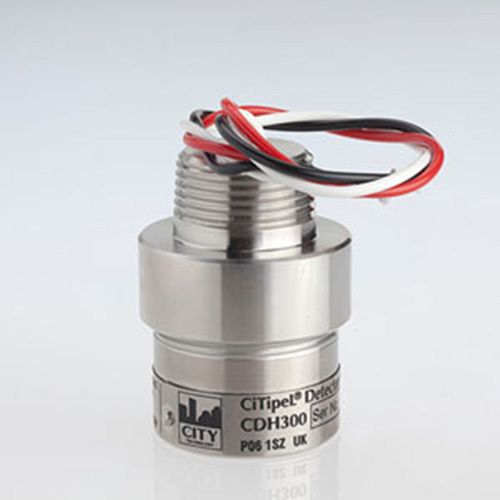
Tell us about your requirement

Price:
Quantity
Select Unit
- 50
- 100
- 200
- 250
- 500
- 1000+
Additional detail
Mobile number
Email

More Products in City Technology Sensors Category
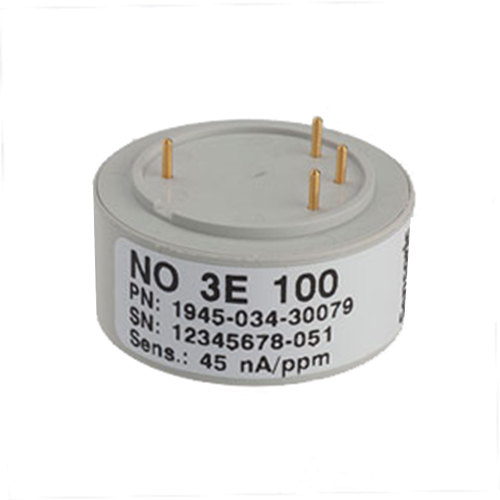
Nitric Oxide Sensor Sensoric
Price Range 5000.00 - 10000.00 INR
Minimum Order Quantity : 1 Piece
Warranty : Yes
Output : 420 mA
Voltage : 220 Volt (v)
Accuracy : +/3 %
Carbon Monoxide Sensor 3Series
Price Range 5000.00 - 10000.00 INR / Piece
Minimum Order Quantity : 1 , , Piece
Warranty : Yes
Output : 420 mA
Voltage : 24 Volt (v)
Accuracy : +/3 %

Hydrogen Sulfide Sensor Sensoric
Price Range 5000.00 - 10000.00 INR
Minimum Order Quantity : 1 Piece
Warranty : Yes
Output : 420 mA
Voltage : 220 Volt (v)
Accuracy : +/3 %

Hydrogen Sulfide Sensors
Price Range 5000.00 - 10000.00 INR
Minimum Order Quantity : 1 Piece
Warranty : Yes
Output : 420 mA
Voltage : 24 Volt (v)
Accuracy : +/3 %


 Send Inquiry


Our Products
- Honeywell Gas Burner Controls
- Honeywell HVAC Controls
- Honeywell Paperless Recorders
- Honeywell Limit Switches
- Baumer Pressure & Temp Gauges
- Dwyer HVAC Sensors
- Honeywell Micro Switches
- Honeywell PID Controllers
- Honeywell Sensor IC Chips
- Greystone HVAC Sensors
- Thermodynamic Steam Traps
- Kavlico Pressure Transmitters
- City Technology Gas Sensors
- Honeywell Thermostat Switches
- Secure Energy Meter
- Honeywell Water Meter
- Honeywell Oil Flow Meter
- Honeywell Pressure Transmitter
- Honeywell Barcode Scanner
- Honeywell Safety Products
- Honeywell RFID System
- Honeywell Mobile Computer
- Honeywell Barcode Printer
- Honeywell Particle Sensor
- IP Converter
- Pneumatic Positioner
- Proximity Sensor
- Rotary Encoder
- Programmable PID Controllers
- Switch Mode Power Supply
- ABB Electromagnetic Products
- City Technology Sensors
- Secure Bi-Directional Meters
- Autonics Products
- Electromagnetic Flow Meter
- Fiber Optic Cable
- Optical Amplifiers
- Modular Tower Light
- Piezo Buzzer
- Photoelectric Sensors
- Digital Counters
- Hybrid Recorder
- Digital Paperless Recorder
- Vision Sensors
- Piston Valves
- Honeywell Torque Sensor
- IOT Gateway and IOT Devices
- Dew Point Sensors
- Thermal Transfer Ribbon
- Temperature Sensors
- Level Switch


232, Sunrise Mall, Near Swaminarayan Mandir, Judges Bungalow Road, Vastrapur, Ahmedabad - 380015, Gujarat, India

Mr Rajesh Garg
(CEO)
Mobile :08045477039
 Send Inquiry
 Send SMS
Developed and Managed by Infocom Network Private Limited.


 English
 Spanish
 French
 German
 Italian
 Chinese (Simplified)
 Japanese
 Korean
 Arabic
 Portuguese