
Call us now :08045477039
 Send Inquiry
 Send Inquiry
Dwyer Differential Pressure Gauge 0 to 300 Pa
MOQ : 1 Piece
Dwyer Differential Pressure Gauge 0 to 300 Pa Specification
- Product Type
- Pressure Gauge
- Material
- Metal
- Usage
- Display Pressure Difference, Between Two Pressure
- Accuracy
- 2 %
- Weight
- 510-963 Grams (g)
Dwyer Differential Pressure Gauge 0 to 300 Pa Trade Information
- Minimum Order Quantity
- 1 Piece
- Payment Terms
- Cash in Advance (CID), Cash Advance (CA)
- Supply Ability
- 100 Pieces Per Week
- Delivery Time
- 1 Days
- Main Domestic Market
- All India
About Dwyer Differential Pressure Gauge 0 to 300 Pa
Dwyer Magnehelic Differential Pressure Gages, Range: 0-300 Pa
| Service: | Air and non-combustible, compatible gases (natural gas option available). Note: May be used with hydrogen. Order a Buna-N diaphragm. Pressures must be less than 35 psi |
| Wetted Materials: | Consult factor |
| Housing: | Die cast aluminum case and bezel, with acrylic cover. Exterior finish is coated gray to withstand 168 hour salt spray corrosion test |
| Accuracy: | ±2% of FS (±3% on - 0, -100 Pa, -125 Pa, 10MM and ±4% on - 00, -60 Pa, -6MM ranges), throughout range at 70°F (21.1°C) |
| Pressure Limits: | -20 in Hg to 15 psig (-0.677 to 1.034 bar); MP option: 35 psig (2.41 bar); HP option: 80 psig (5.52 bar). |
| Overpressure: | Relief plug opens at approximately 25 psig (1.72 bar), standard gages only. See Overpressure Protection Note on next page |
| Temperature Limits: | 20 to 140°F* (-6.67 to 60°C). -20°F (-28°C) with low temperature option |
| Size: | 4 (101.6 mm) diameter dial face |
| Mounting Orientation: | Diaphragm in vertical position. Consult factory for other position orientations |
| Standard Accessories: | Two 1/8 NPT plugs for duplicate pressure taps, two 1/8 pipe thread to rubber tubing adapter, and three flush mounting adapters with screws. (Mounting and snap ring retainer substituted for three adapters in MP & HP gage accessories.) |
Reliable Differential Pressure Measurement
The Dwyer Differential Pressure Gauge is engineered for accuracy and reliability. It efficiently measures pressure differences from 0 to 300 Pa, supported by a rigid metal design and 2% accuracy. Its versatility makes it ideal for clean rooms, HVAC systems, filter monitoring, and industrial setups requiring trustworthy differential pressure readings.
Leading Supplier and Trusted Manufacturer in India
We are committed to supplying, manufacturing, and exporting top-grade differential pressure gauges across India and beyond. Our prompt service and focus on quality assurance help address the unique needs of varied industries. Whether you seek a trusted distributor, supplier, or manufacturer, we offer comprehensive support at every stage.
FAQ's of Dwyer Differential Pressure Gauge 0 to 300 Pa:
Q: How does the Dwyer Differential Pressure Gauge work?
A: The Dwyer Differential Pressure Gauge operates by comparing the pressure between two points. It displays the pressure difference in Pascals (Pa), which allows for precise monitoring and control of systems like HVAC units or clean rooms where maintaining specific pressure differentials is crucial.Q: What applications can this pressure gauge be used for?
A: This pressure gauge is commonly used for monitoring HVAC systems, filter performance, clean rooms, and other industrial processes where it is important to track the difference between two pressure points to ensure safe and optimal operation.Q: When should the gauge be calibrated or serviced?
A: Regular calibration is recommended for optimal accuracy, typically every 6-12 months depending on usage and industry standards. Servicing should occur if readings appear inconsistent or if the device is exposed to mechanical or environmental stress.Q: Where can I install the Dwyer Differential Pressure Gauge?
A: The gauge can be installed in any location where pressure differences between two points need to be measured, such as air ducts, across filters, or between rooms in cleanroom environments. Ensure the installation area is free from excessive vibration and is easily accessible for reading and maintenance.Q: What is the process for connecting the gauge to my system?
A: To connect the gauge, attach the two input ports to the respective high and low-pressure points in your system using compatible tubing. Secure the gauge using the provided mounting hardware and ensure all connections are airtight to maintain measurement accuracy.Q: How does using this gauge benefit my operations?
A: Using the Dwyer Differential Pressure Gauge provides accurate and real-time monitoring of pressure differences, helping you maintain system efficiency, ensure compliance with safety standards, and promptly detect issues such as filter blockages or pressure leaks.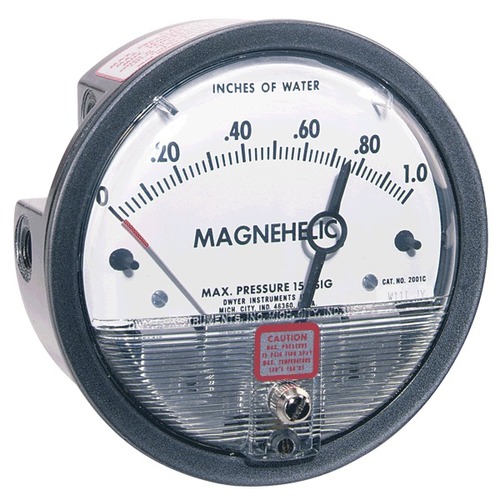
Tell us about your requirement

Price:
Quantity
Select Unit
- 50
- 100
- 200
- 250
- 500
- 1000+
Additional detail
Mobile number
Email

More Products in Dwyer HVAC Sensors Category
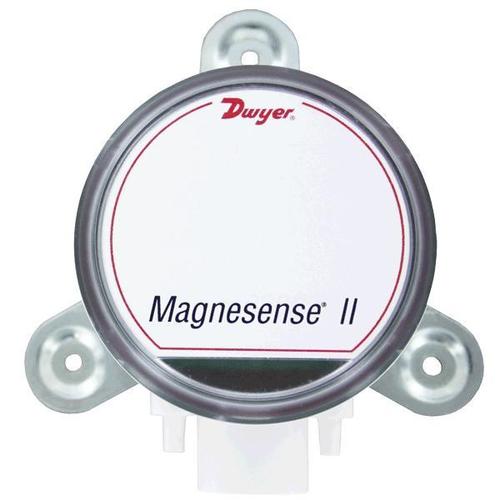
Dwyer Differential Pressure Transmitter MS2-W103
Minimum Order Quantity : 1 , , Piece
Usage : Monitoring Air and Nonflammable, Noncorrosive Gases
Material : Plastic
Product Type : Pressure Transmitter
Accuracy : +/ 0.25 %

Dwyer Differential Pressure Gauge 0 to 25 Pa
Price Range 5000.00 - 7700.00 INR
Minimum Order Quantity : 1 Piece
Usage : Display Pressure Difference, Between Two Pressure
Material : Metal
Product Type : Pressure Gauge
Accuracy : 2 %
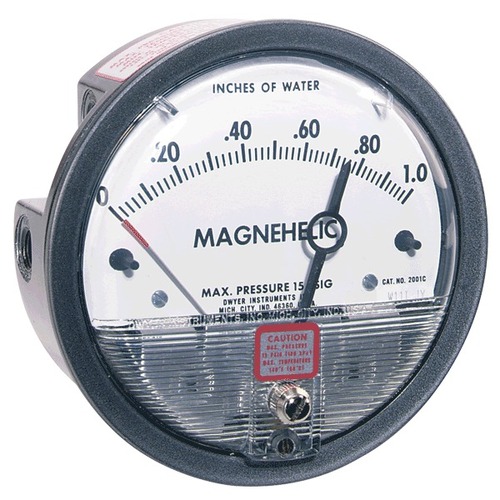
Dwyer Differential Pressure Gauge -60 to 60 Pa
Price Range 5000.00 - 7700.00 INR
Minimum Order Quantity : 1 Piece
Usage : Display Pressure Difference, Between Two Pressure
Material : Metal
Product Type : Pressure Gauge
Accuracy : 2 %
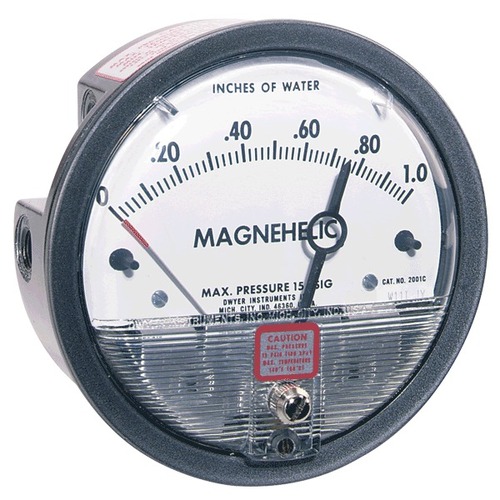
Dwyer Differential Pressure Gauge 0 to 200 mm
Price Range 5000.00 - 7700.00 INR
Minimum Order Quantity : 1 Piece
Usage : Display Pressure Difference, Between Two Pressure
Material : Metal
Product Type : Pressure Gauge
Accuracy : 2 %


 Send Inquiry


Our Products
- Honeywell Gas Burner Controls
- Honeywell HVAC Controls
- Honeywell Paperless Recorders
- Honeywell Limit Switches
- Baumer Pressure & Temp Gauges
- Dwyer HVAC Sensors
- Honeywell Micro Switches
- Honeywell PID Controllers
- Honeywell Sensor IC Chips
- Greystone HVAC Sensors
- Thermodynamic Steam Traps
- Kavlico Pressure Transmitters
- City Technology Gas Sensors
- Honeywell Thermostat Switches
- Secure Energy Meter
- Honeywell Water Meter
- Honeywell Oil Flow Meter
- Honeywell Pressure Transmitter
- Honeywell Barcode Scanner
- Honeywell Safety Products
- Honeywell RFID System
- Honeywell Mobile Computer
- Honeywell Barcode Printer
- Honeywell Particle Sensor
- IP Converter
- Pneumatic Positioner
- Proximity Sensor
- Rotary Encoder
- Programmable PID Controllers
- Switch Mode Power Supply
- ABB Electromagnetic Products
- City Technology Sensors
- Secure Bi-Directional Meters
- Autonics Products
- Electromagnetic Flow Meter
- Fiber Optic Cable
- Optical Amplifiers
- Modular Tower Light
- Piezo Buzzer
- Photoelectric Sensors
- Digital Counters
- Hybrid Recorder
- Digital Paperless Recorder
- Vision Sensors
- Piston Valves
- Honeywell Torque Sensor
- IOT Gateway and IOT Devices
- Dew Point Sensors
- Thermal Transfer Ribbon
- Temperature Sensors
- Level Switch


232, Sunrise Mall, Near Swaminarayan Mandir, Judges Bungalow Road, Vastrapur, Ahmedabad - 380015, Gujarat, India

Mr Rajesh Garg
(CEO)
Mobile :08045477039
 Send Inquiry
 Send SMS
Developed and Managed by Infocom Network Private Limited.


 English
 Spanish
 French
 German
 Italian
 Chinese (Simplified)
 Japanese
 Korean
 Arabic
 Portuguese