
Call us now :08045477039
 Send Inquiry
 Send Inquiry
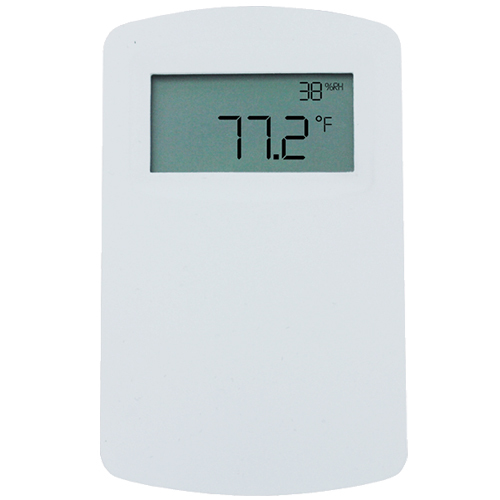
Room Humidity/Temperature Sensor
Price 10700 INR/ Piece
MOQ : 1 , , Piece
Room Humidity/Temperature Sensor Specification
- Mounting Type
- Wall mount
- Cable Length
- Up to 2 meters (optional)
- Application
- Residential, commercial, and industrial climate control
- Sensitivity
- High
- Features
- LED status indicator, compact design, maintenance free
- Measurement Range
- Humidity: 0-100% RH, Temperature: -20C to +60C
- Wireless
- No
- Operating Temperature
- -20C to +60C
- Response Time
- <10 seconds (humidity), <5 seconds (temperature)
- Sensor Type
- Capacitive humidity sensor, precision temperature sensor
- Interface
- Terminal block
- IP Rating
- IP30
- Power Consumption
- <0.5W
- Signal Type
- Analog / Digital
- Product Type
- Humidity Sensor
- Material
- Plastic
- Input
- 0-10V or 4-20mA (configurable)
- Output
- 4-20 mA
- Function
- Measures ambient room temperature and relative humidity
- Usage
- Indoor room environments, HVAC systems, building automation
- Accuracy
- 2% RH, 0.5C
- Resolution
- 0.1% RH, 0.1C
- Voltage
- 24 Volt (v)
- Weight
- Approx. 120g
- Dimensions
- 86mm x 86mm x 30mm
- Compliance
- CE Certified
- Current Output Load Resistance
- 500
- Long-term Stability
- <1% RH/year
- Storage Temperature
- -30C to +70C
- Altitude Limit
- Up to 2000m
- Sampling Rate
- 2 seconds
- Display Type
- No local display
- Drift
- Low drift
- Vibration Resistance
- Standard for room instruments
- Housing Color
- White
- Humidity Recovery Time
- <20 seconds after saturation
Room Humidity/Temperature Sensor Trade Information
- Minimum Order Quantity
- 1 , , Piece
- Payment Terms
- Cash in Advance (CID), Cash Advance (CA)
- Supply Ability
- 100 Pieces Per Week
- Delivery Time
- 1 Days
- Main Domestic Market
- All India
About Room Humidity/Temperature Sensor
Room Humidity/Temperature Sensor is the most versatile room transmitter on the market. The stylish housing is well vented to provide air flow across the sensor to improve measurement accuracy. An optional LCD display can be integral to the transmitter or a remote display can be ordered for building balancing or LEED validation. The LCD display indicates the ambient temperature along with the humidity or dew point. The transmitter has internal dip switches to select the temperature engineering units and whether the transmitter outputs humidity or dew point. The humidity and temperature sensors are field replaceable to reduce service cost and inventory. The humidity and the dew point are measured using a capacitive polymer sensor that completely recovers from 100% saturation. The humidity and dew point can have either a current or voltage output, while the optional temperature output can be a current, voltage, RTD or thermistor. For models with current or voltage for the temperature output, the temperature range is field selectable.
Reliable Sensing Technology for Indoor Environments
This sensor uses a capacitive humidity sensor and a precision temperature sensor to ensure accurate measurement in residential, commercial, and industrial applications. Its swift response time and high sensitivity make it ideal for monitoring and managing room climate effectively.
Easy Integration and Flexible Output Options
Designed for seamless integration into HVAC systems and building automation, the sensor offers configurable analog outputs (0-10V or 4-20mA) and is compatible with standard current load resistance up to 500 ohms. The LED status indicator and terminal block interface improve installation efficiency.
Durable and Maintenance-Free Design
Encased in a robust, maintenance-free plastic housing, the sensor withstands a broad range of operating and storage temperatures, as well as standard room vibration. Its long-term stability, CE compliance, and IP30 rating make it a reliable choice for sustained indoor performance.
FAQ's of Room Humidity/Temperature Sensor:
Q: How is the Room Humidity/Temperature Sensor installed in indoor environments?
A: This sensor is wall-mounted using standard hardware and is designed for easy installation with a terminal block interface. It is suitable for placement in various indoor settings, such as homes, offices, and industrial spaces, typically at average room height for optimal measurement.Q: What process does the sensor use to measure temperature and humidity accurately?
A: The device employs a capacitive humidity sensor and a precision temperature sensor to continuously monitor ambient conditions. With a sampling rate of every 2 seconds and rapid response times, it provides up-to-the-minute readings with high accuracy and minimal drift.Q: When should I use this sensor in my building automation or HVAC systems?
A: The sensor is ideal for integration whenever precise control of room climate is needed, such as in HVAC regulation, automated building climate systems, and environments requiring consistent temperature and humidity levels. It can be installed during new systems setup or retrofitted into existing infrastructures.Q: Where can this humidity/temperature sensor be used most effectively?
A: Best suited for indoor rooms in residential, commercial, and industrial facilities, this sensor is tailored for areas within its operating temperature (-20C to +60C) and humidity (0-100% RH) range. It is particularly valuable in places with strict climate control requirements.Q: What are the benefits of using a sensor with no local display but with LED indicators?
A: The absence of a local display reduces potential points of failure and simplifies maintenance, while the integrated LED status indicator provides at-a-glance operation status. All measurements are transmitted to building management or HVAC systems, allowing centralized monitoring and control.Q: How does the humidity recovery and response time enhance the sensor's performance?
A: With a humidity recovery time of less than 20 seconds after saturation and a response time of under 10 seconds for humidity and under 5 seconds for temperature, the sensor ensures rapid adaptation to environmental changes, facilitating efficient climate control and protection of sensitive environments.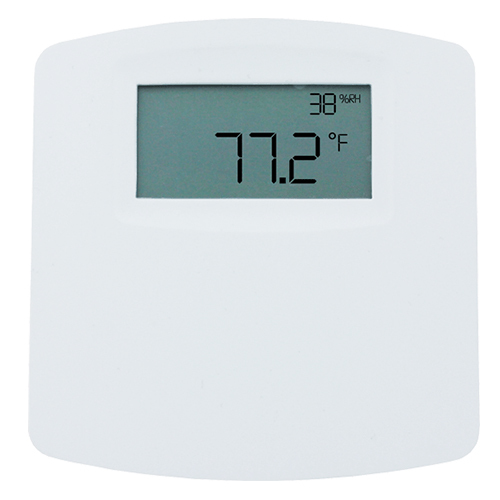
Tell us about your requirement

Price:
Quantity
Select Unit
- 50
- 100
- 200
- 250
- 500
- 1000+
Additional detail
Mobile number
Email

More Products in Dwyer HVAC Sensors Category
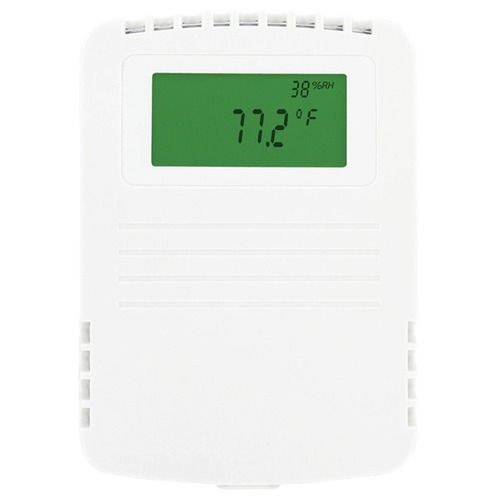
Wall Mount Humidity Transmitter
Minimum Order Quantity : 1 , , Piece
Usage : Indoor Environment Monitoring
Weight : Approx. 120g
Product Type : Humidity Transmitters
Accuracy : 2% RH (Humidity), 0.3C (Temperature)
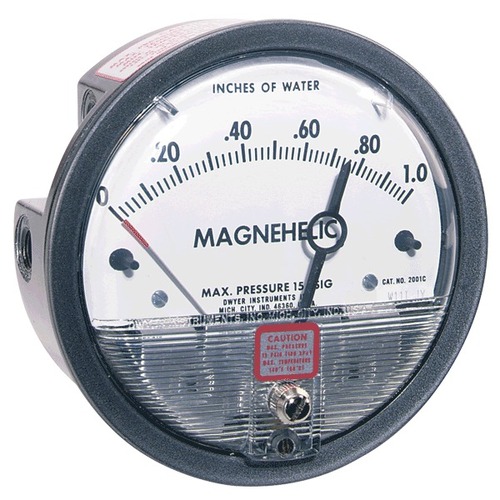
Dwyer Differential Pressure Gauge 0 to 200 mm
Price Range 5000.00 - 7700.00 INR
Minimum Order Quantity : 1 Piece
Usage : Display Pressure Difference, Between Two Pressure
Weight : 510963 Grams (g)
Product Type : Pressure Gauge
Accuracy : 2 %
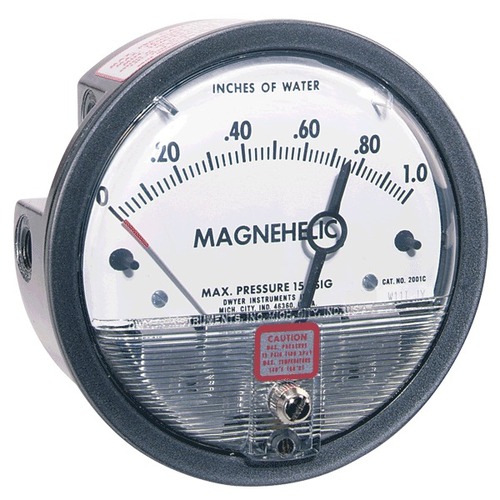
Dwyer Differential Pressure Gauge 0 to 1.5 KPa
Price Range 5000.00 - 7700.00 INR
Minimum Order Quantity : 1 Piece
Usage : Display Pressure Difference, Between Two Pressure
Weight : 510963 Grams (g)
Product Type : Pressure Gauge
Accuracy : 2 %
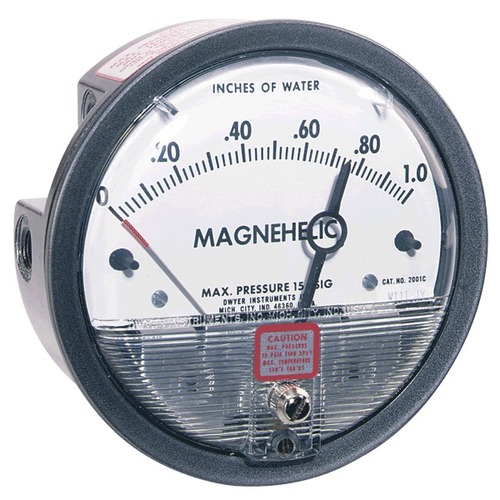
Dwyer Differential Pressure Gauge -30 to 30 Pa
Price Range 5000.00 - 7700.00 INR
Minimum Order Quantity : 1 Piece
Usage : display Pressure Difference, Between Two Pressure
Weight : 510963 Grams (g)
Product Type : Pressure Gauge
Accuracy : 2 %


 Send Inquiry


Our Products
- Honeywell Gas Burner Controls
- Honeywell HVAC Controls
- Honeywell Paperless Recorders
- Honeywell Limit Switches
- Baumer Pressure & Temp Gauges
- Dwyer HVAC Sensors
- Honeywell Micro Switches
- Honeywell PID Controllers
- Honeywell Sensor IC Chips
- Greystone HVAC Sensors
- Thermodynamic Steam Traps
- Kavlico Pressure Transmitters
- City Technology Gas Sensors
- Honeywell Thermostat Switches
- Secure Energy Meter
- Honeywell Water Meter
- Honeywell Oil Flow Meter
- Honeywell Pressure Transmitter
- Honeywell Barcode Scanner
- Honeywell Safety Products
- Honeywell RFID System
- Honeywell Mobile Computer
- Honeywell Barcode Printer
- Honeywell Particle Sensor
- IP Converter
- Pneumatic Positioner
- Proximity Sensor
- Rotary Encoder
- Programmable PID Controllers
- Switch Mode Power Supply
- ABB Electromagnetic Products
- City Technology Sensors
- Secure Bi-Directional Meters
- Autonics Products
- Electromagnetic Flow Meter
- Fiber Optic Cable
- Optical Amplifiers
- Modular Tower Light
- Piezo Buzzer
- Photoelectric Sensors
- Digital Counters
- Hybrid Recorder
- Digital Paperless Recorder
- Vision Sensors
- Piston Valves
- Honeywell Torque Sensor
- IOT Gateway and IOT Devices
- Dew Point Sensors
- Thermal Transfer Ribbon
- Temperature Sensors
- Level Switch


232, Sunrise Mall, Near Swaminarayan Mandir, Judges Bungalow Road, Vastrapur, Ahmedabad - 380015, Gujarat, India

Mr Rajesh Garg
(CEO)
Mobile :08045477039
 Send Inquiry
 Send SMS
Developed and Managed by Infocom Network Private Limited.


 English
 Spanish
 French
 German
 Italian
 Chinese (Simplified)
 Japanese
 Korean
 Arabic
 Portuguese